China’s westernmost frontier city and the beating cultural heart of Xinjiang’s Uyghur civilization, standing at the historic crossroads where Chinese, Central Asian and South Asian cultures intertwined along the ancient Silk Road.
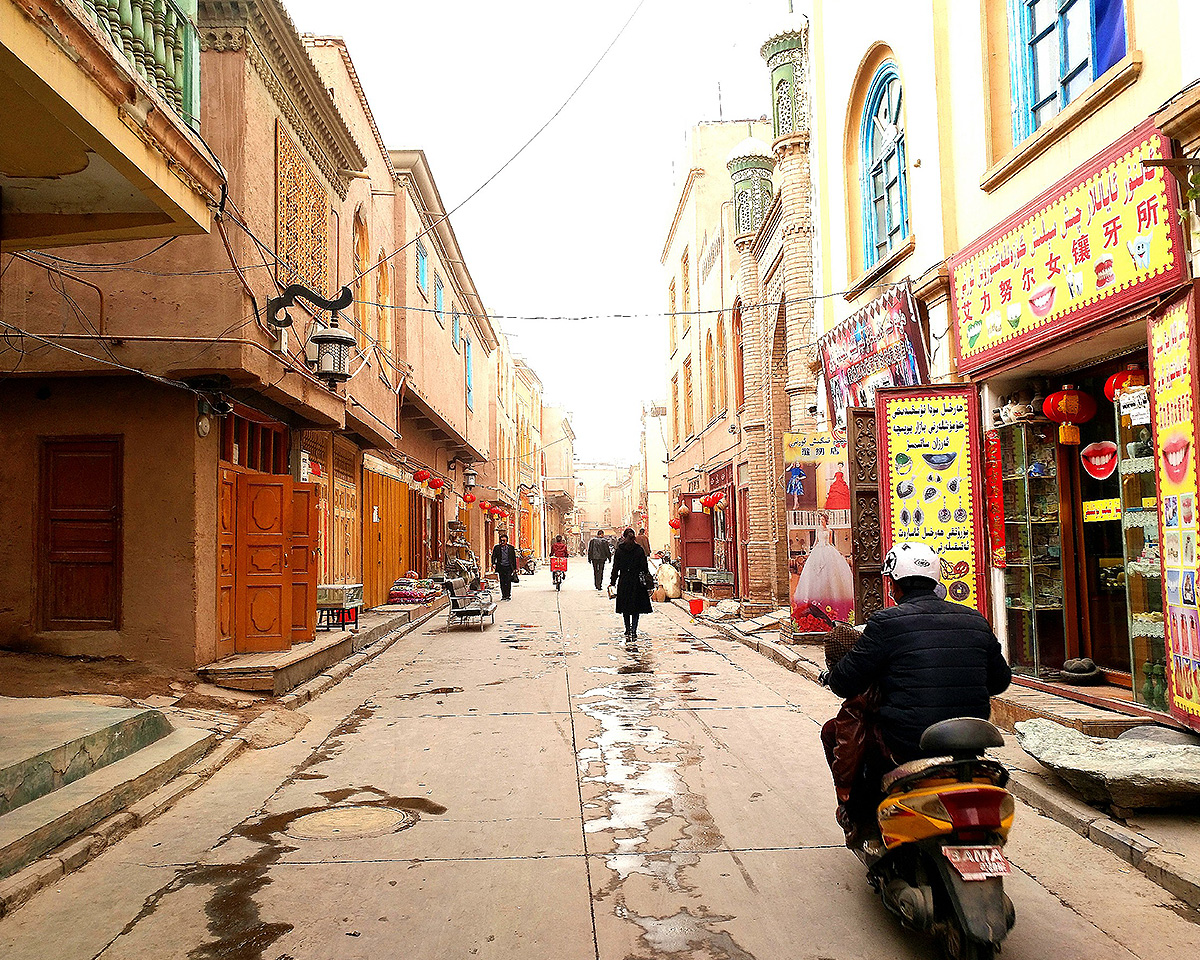
Step into the well-preserved Kashgar Old City, a labyrinth of hand-built adobe houses, narrow winding alleys, tiny family craft workshops and neighborhood teahouses where local elders gather to chat over milk tea and flatbread.
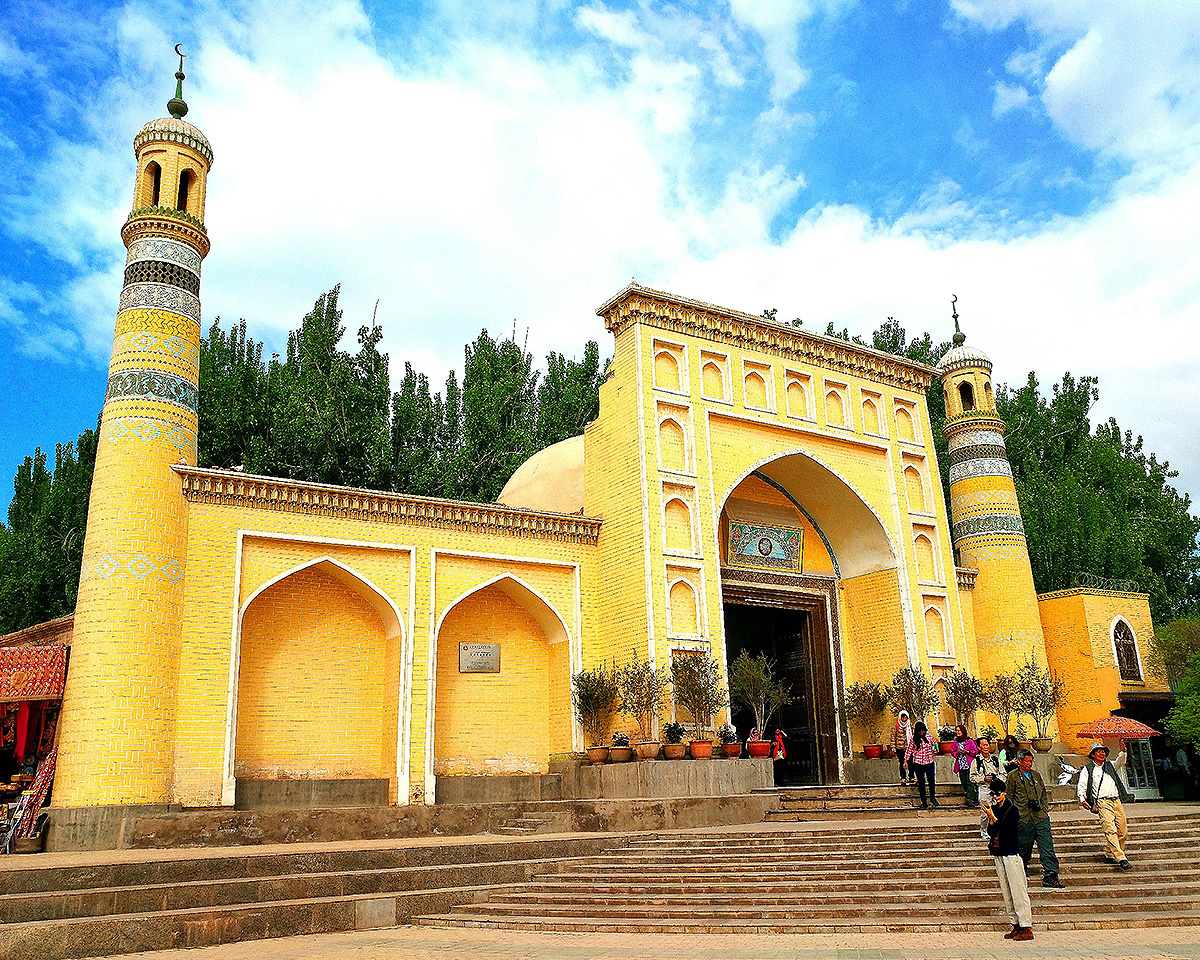
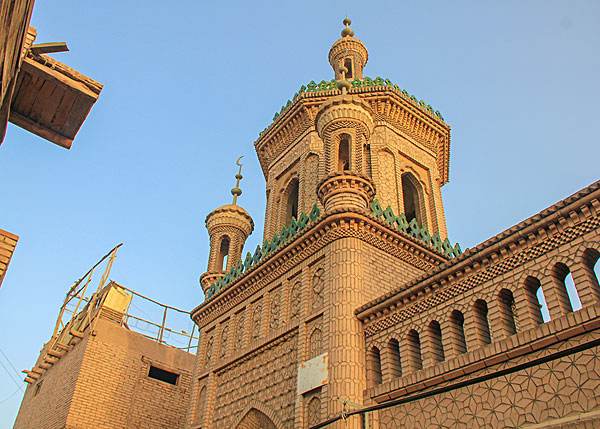
At the city core sits Id Kah Mosque, Xinjiang’s largest and most sacred landmark, with grand archways, tranquil courtyards and intricate architectural detailing that draws worshippers and travelers alike.
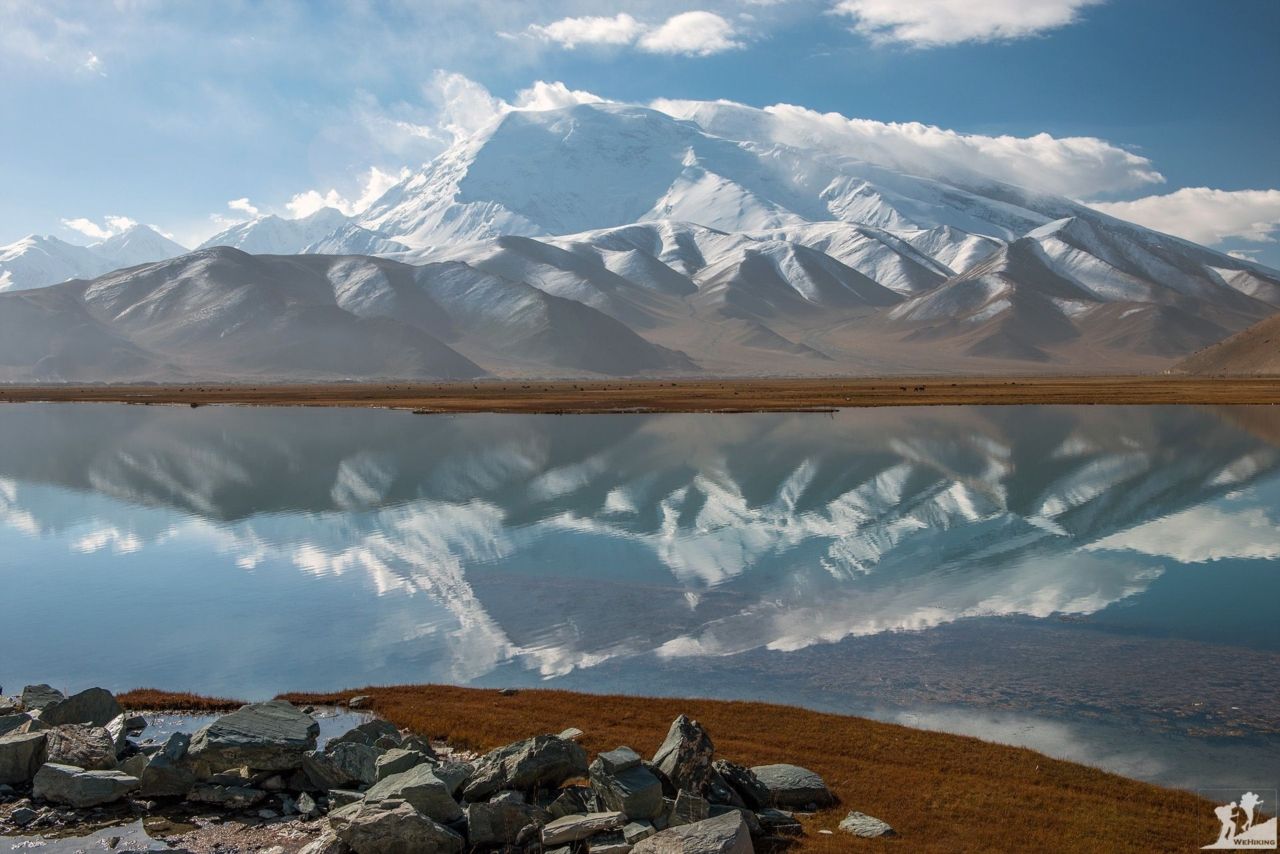
The world-famous Sunday Bazaar remains an unmissable highlight: rows upon rows of vendors sell hand-woven carpets, embroidered skullcaps, bronze handicrafts, fragrant cumin and saffron, fresh local fruit, livestock, and sizzling street food including lamb skewers and baked nang. Beyond the urban charm, Kashgar acts as the primary gateway to the Pamir Plateau. Day and multi-day trips lead toward crystal-clear Karakul Lake, ringed by grasslands and overlooked by snow-capped Muztagh Ata Peak, known as the “Father of Ice Mountains”. Here, you can meet nomadic Tajik herders, stay in highland yurts, and witness sweeping alpine landscapes that feel worlds away from China’s inland cities.
Every corner of Kashgar carries the scent of spices, the sound of Uyghur folk music, and timeless traditions untouched by rapid modernization, making it the ultimate destination for travelers chasing authentic Silk Road ethnic culture and dramatic mountain wilderness.